For years, the playbook was simple. Renovate to increase value, sell, and move on.
That’s no longer what’s happening.
Today, most homeowners are renovating for a different reason entirely. A recent report shows that 68% of homeowners are making updates to improve how their home functions, not to maximize profit. The shift is subtle, but it says a lot about where the market and mindset are right now.
Renovation activity is also holding steady, even with economic pressure. Many homeowners are choosing to improve what they have instead of entering the market. While there are homes available, many buyers are finding that what’s out there doesn’t quite fit their needs. Rather than compromise, they are staying put and making their current home work better.
The data supports that shift. Only 8% of homeowners are taking on full-home renovations, which tells us most people are being selective and strategic with updates. At the same time, there are real barriers. About 30% say finding a trustworthy contractor is the biggest challenge. Another 24% point to renovation costs, and 20% say unclear project pricing creates hesitation early in the process. In other words, homeowners are willing to invest, but they are being cautious about how and where they do it.
Homes are also being asked to do more than they ever have before. Spaces need to flex. A spare bedroom becomes an office. A den turns into a second living area. Layout and flow matter more than ever. Add in the continued rise of multigenerational living, and it becomes clear why functionality is taking priority. People need homes that adapt, not just impress.
Another shift that is starting to show up is how homeowners are planning these projects in the first place.
AI is quickly moving from curiosity to practical use in renovation planning. A growing share of homeowners are using it to make decisions before a project even starts. Nearly 25% of homeowners are now using AI tools during renovation planning, up from just 9% the year before. Among Millennials, that number jumps to 42%. Even more telling, 84% of those using AI say it influenced at least one renovation decision.
What that means in real terms is simple. Homeowners are showing up more prepared. They are using AI to answer questions they used to bring to a contractor or designer. They are testing layout ideas, exploring finishes, and even estimating costs ahead of time. In many cases, they have already worked through multiple options before ever picking up the phone.
The result is a more informed homeowner. They come into conversations with clearer expectations and a stronger sense of direction. Sometimes they have already ruled out ideas before the first walkthrough even happens. That changes the dynamic, not in a bad way, but in a more efficient one.
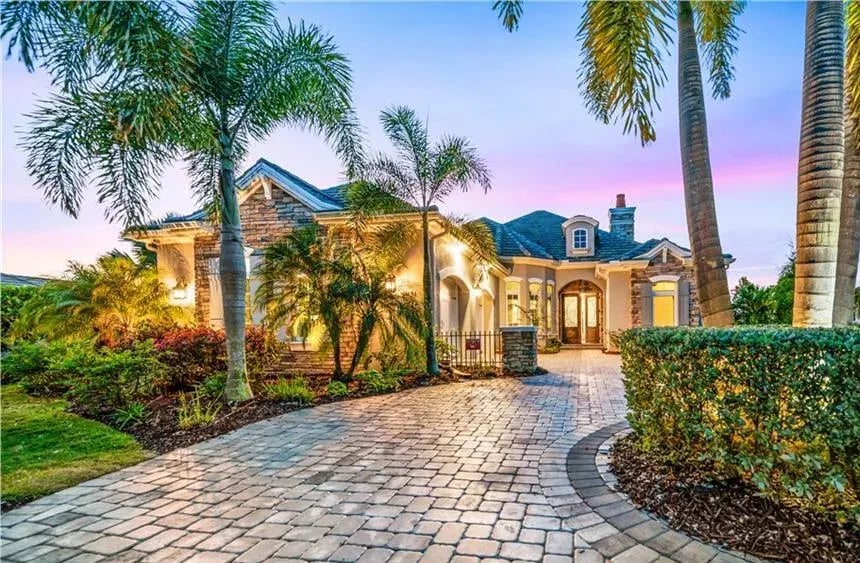
Here in Florida, that conversation goes a step further. Functionality is not just about comfort. It is about resilience and long-term livability. The upgrades we are seeing are practical and intentional. Impact windows and doors, newer roofs, updated systems, and outdoor living spaces that actually get used. These are not headline-grabbing upgrades, but they are the ones that matter when it comes to both everyday living and future resale.
It is also worth rethinking the idea of return on investment. Not every renovation translates into a higher sale price. Some improvements can overreach for the neighborhood, while others simply miss what buyers value most. Right now, the smarter move is to focus on how the home performs for you. When a home lives well, it tends to show better and sell better when the time comes.
The takeaway is simple. The market is rewarding homes that make sense. Not just visually, but functionally. Clean, usable, well-thought-out spaces are winning.
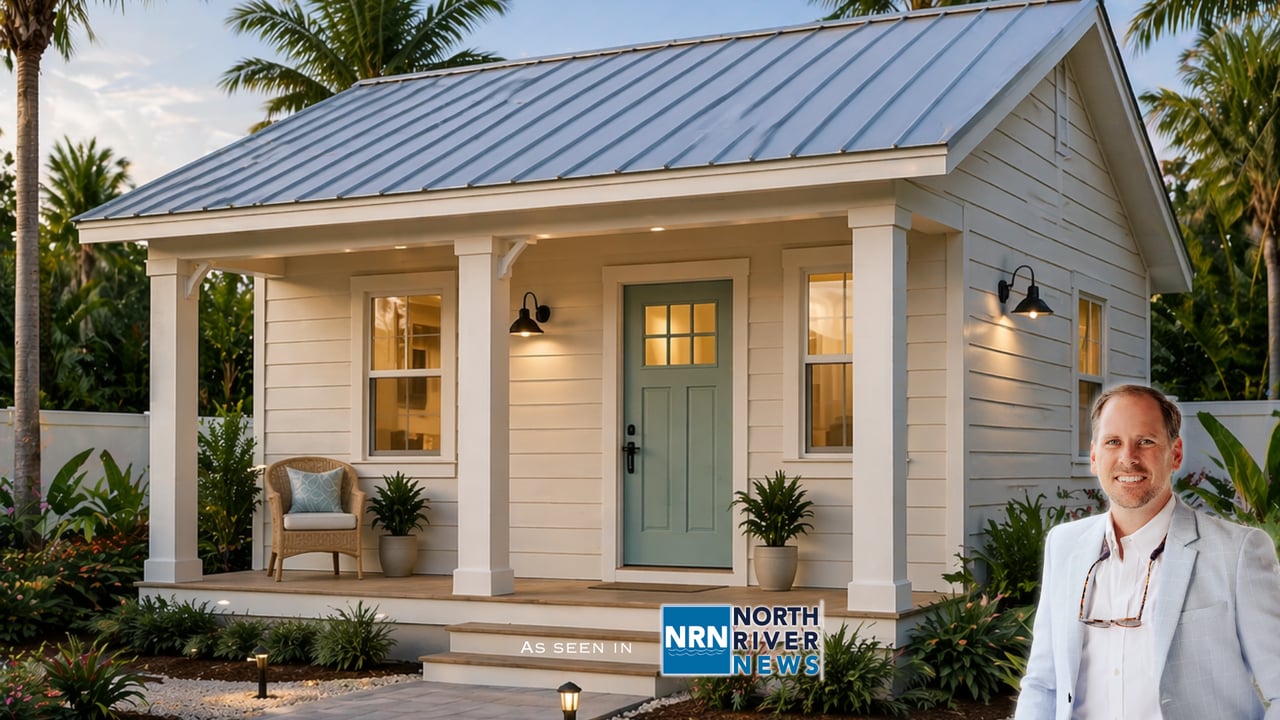
Next week, I’ll break down one of the biggest opportunities we are seeing here in Florida right now: accessory dwelling units, or ADUs. How they work, where they are allowed, and why more homeowners are starting to seriously consider them.