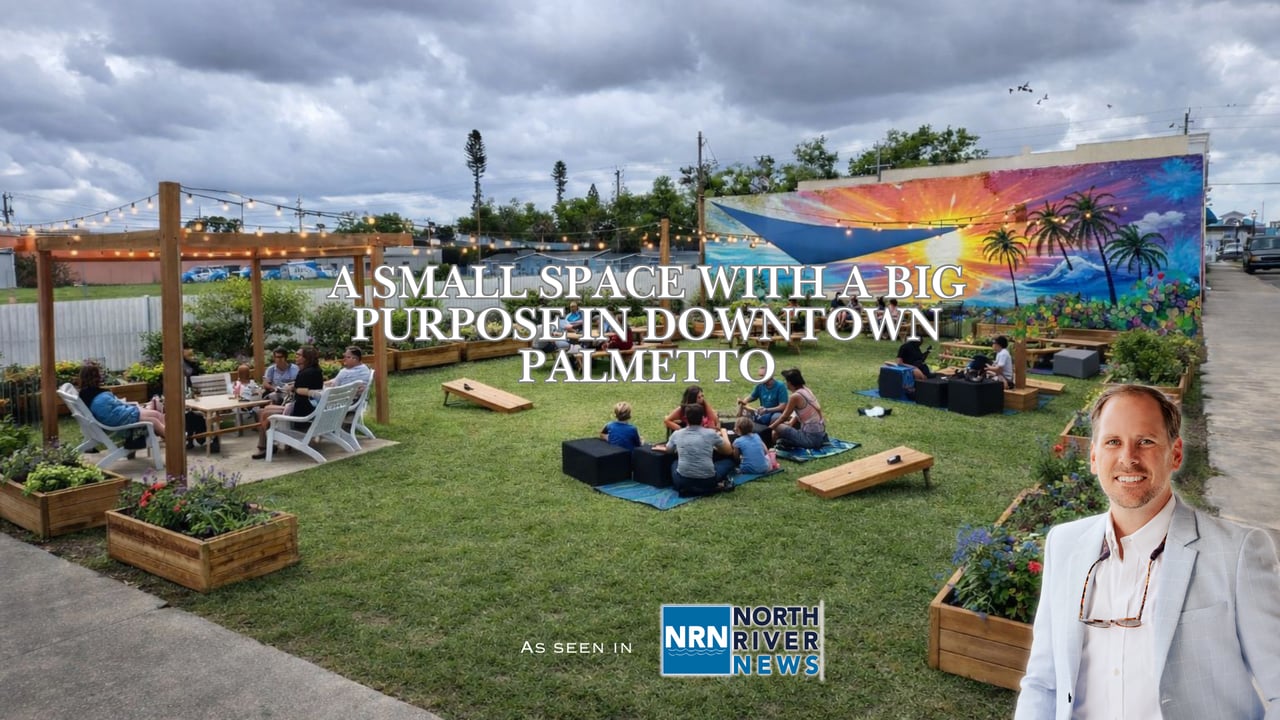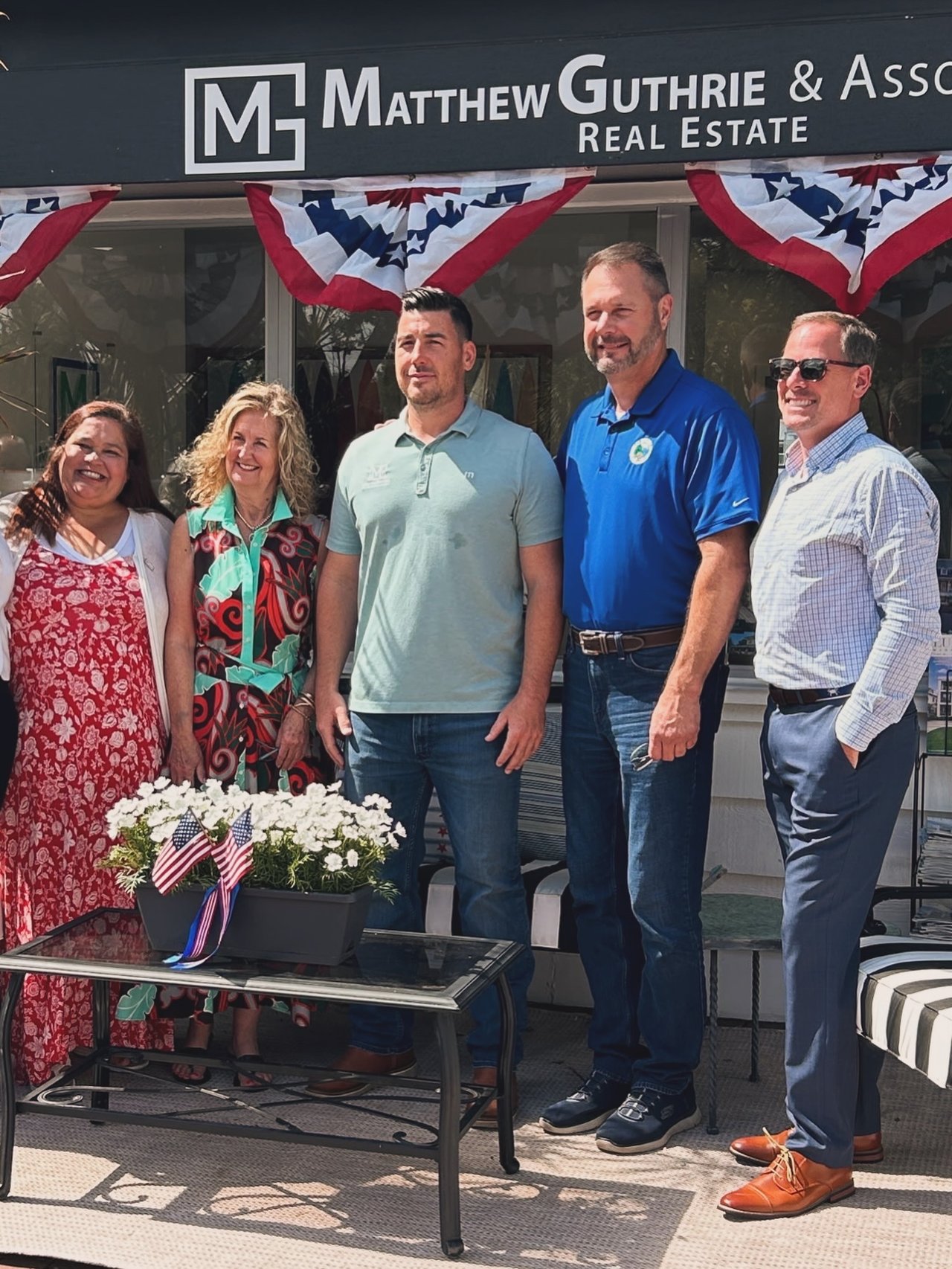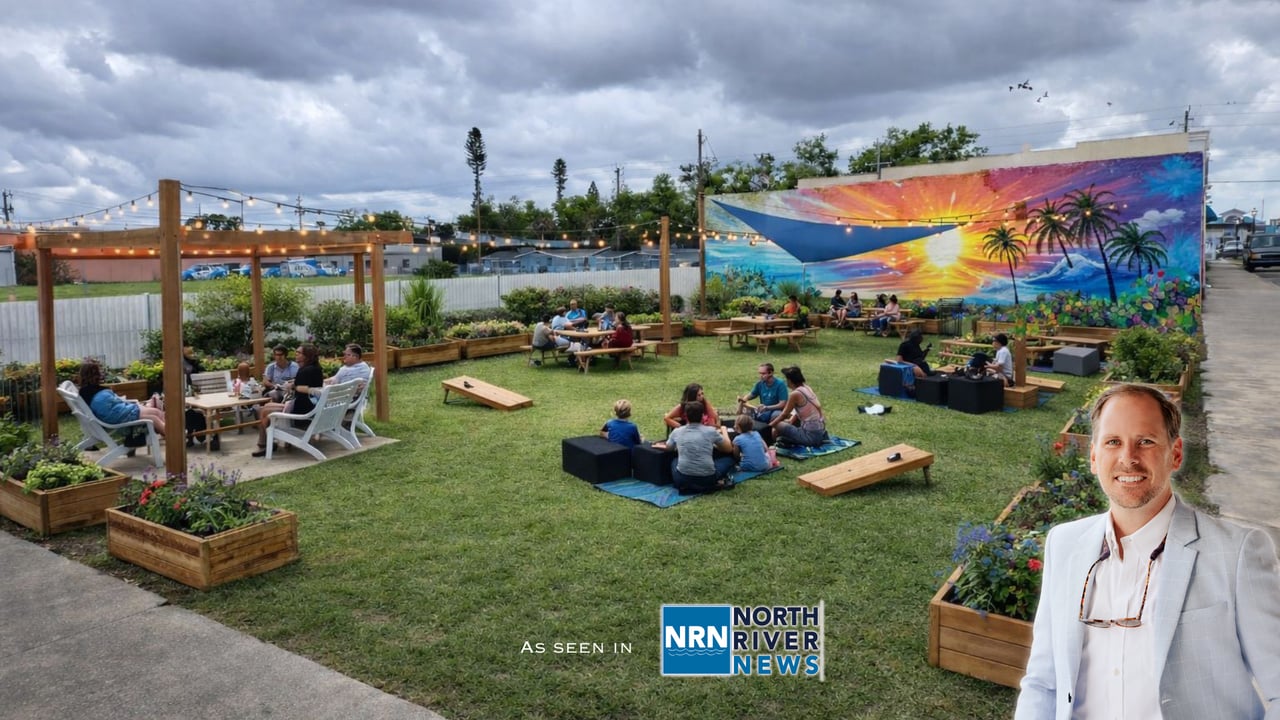
For decades, the small parcel along 10th Street across from D’s has remained vacant, largely overlooked despite its central location within downtown Palmetto. The site is currently undergoing brownfield restoration, which limits its immediate redevelopment potential and makes it unsuitable for uses such as parking. Rather than allowing the property to remain inactive for years, the Palmetto Downtown Main Street group, with support from the Palmetto Community Redevelopment Agency, is advancing a plan to temporarily activate the space as a community-focused pocket park (don’t worry, the overflow parking lot next door will remain).
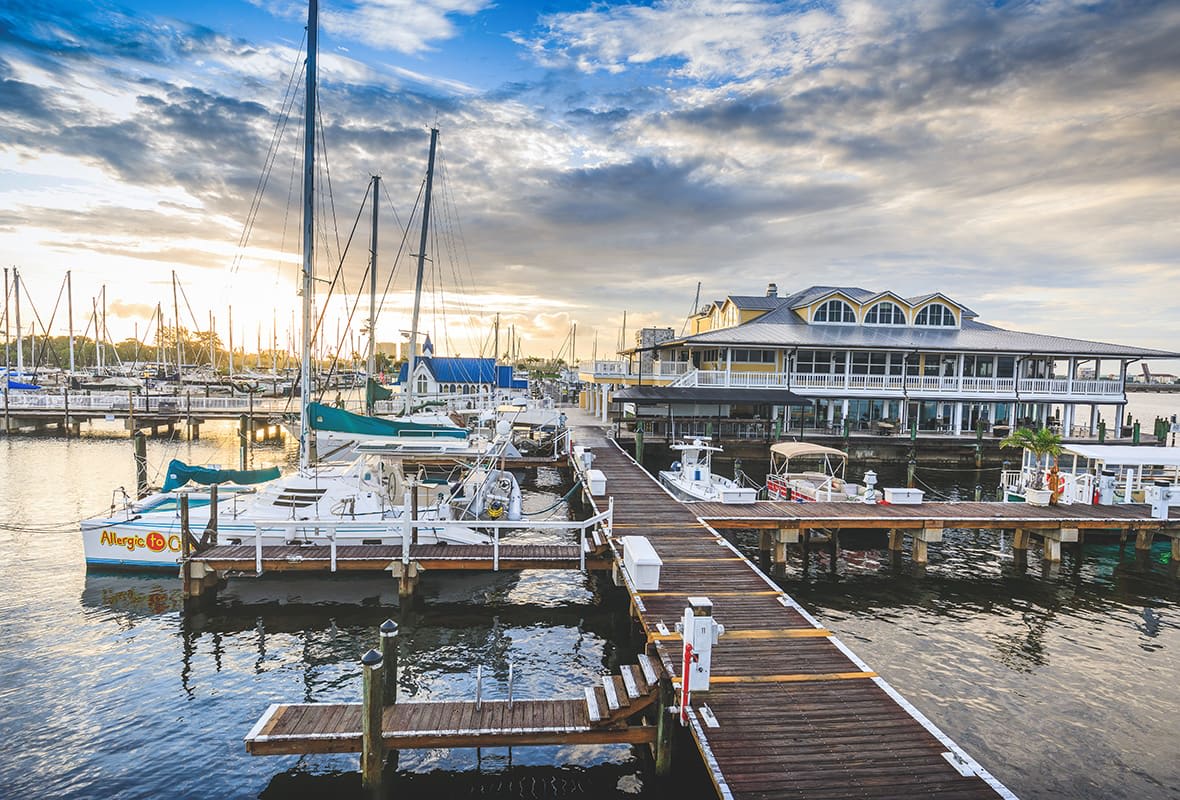
This initiative is not intended to replace or compete with existing public gathering spaces such as Sutton Park, Lamb Park, or the restored Women’s Club building finishing soon. Those locations will continue to serve as primary venues for larger events and organized community functions. Instead, the pocket park is envisioned as a smaller, more flexible space that helps connect key areas of downtown, creating a natural midpoint between the waterfront and Sutton Park while encouraging foot traffic and informal gathering.
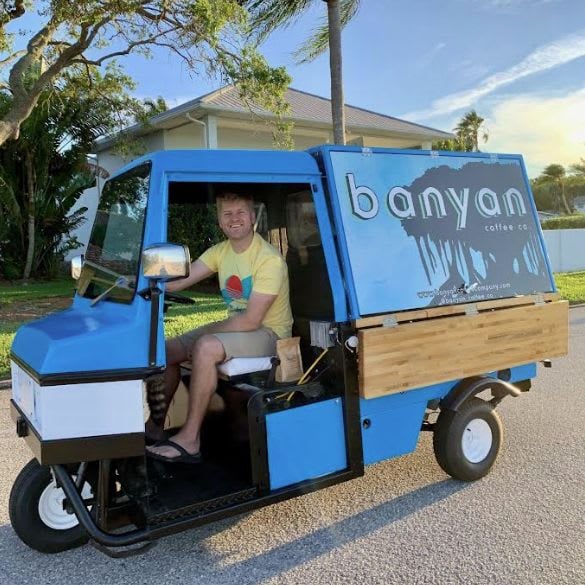
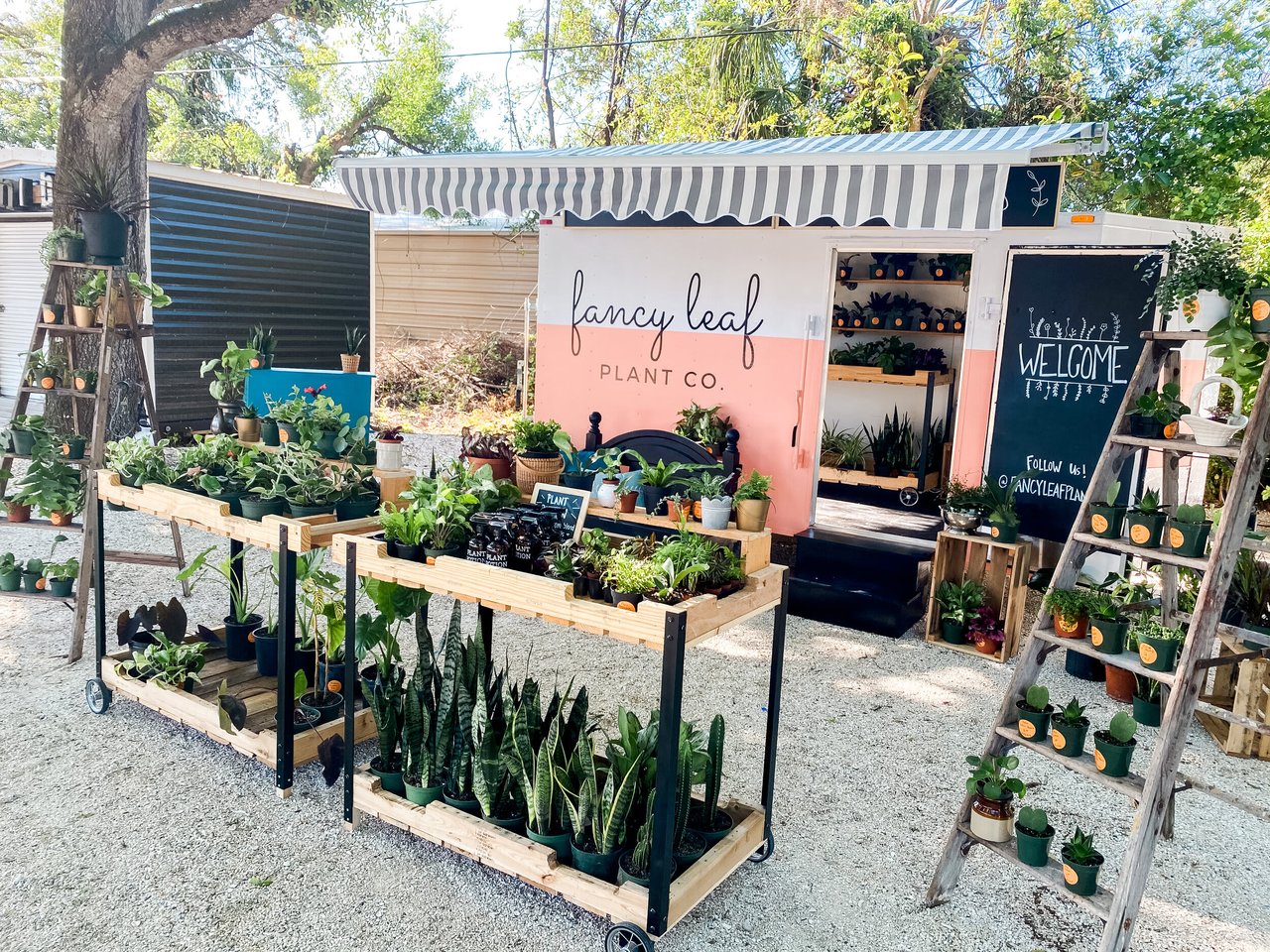
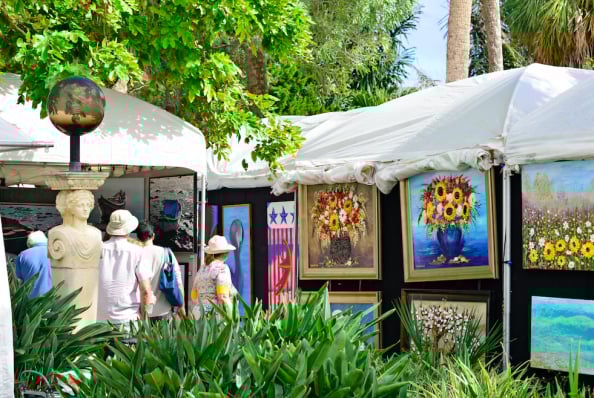
The proposed use of the site centers on adaptable, low-impact programming that can evolve over time. Plans include small-scale pop-up markets, opportunities for local vendors and young entrepreneurs, and occasional food truck activation. The physical setup is expected to remain simple, incorporating elements such as seating, shade structures, and lighting to create a welcoming environment without introducing permanent infrastructure. This temporary approach allows the space to remain responsive to community needs while the long-term future of the property continues to be evaluated.
The project reflects a broader understanding that the built environment plays a direct role in shaping community behavior. Areas designed primarily for vehicles tend to discourage interaction, while neglected or underutilized properties can contribute to a sense of decline. Conversely, well-maintained, people-oriented spaces often foster increased activity, stronger social connections, and a greater sense of pride among residents and visitors.
By introducing an active use on a long-vacant parcel, the initiative seeks to transform what has been a gap in the downtown experience into a functional and engaging destination. Even in a temporary capacity, the space has the potential to support small business activity, provide a venue for community interaction, and enhance the overall walk-ability of the district.
As downtown Palmetto continues to evolve, projects like this pocket park demonstrate how incremental, intentional improvements can have a meaningful impact. The effort underscores a simple but important principle: the way a place is designed and maintained influences how it is experienced, and thoughtful activation can help shape more positive and connected outcomes for the community.