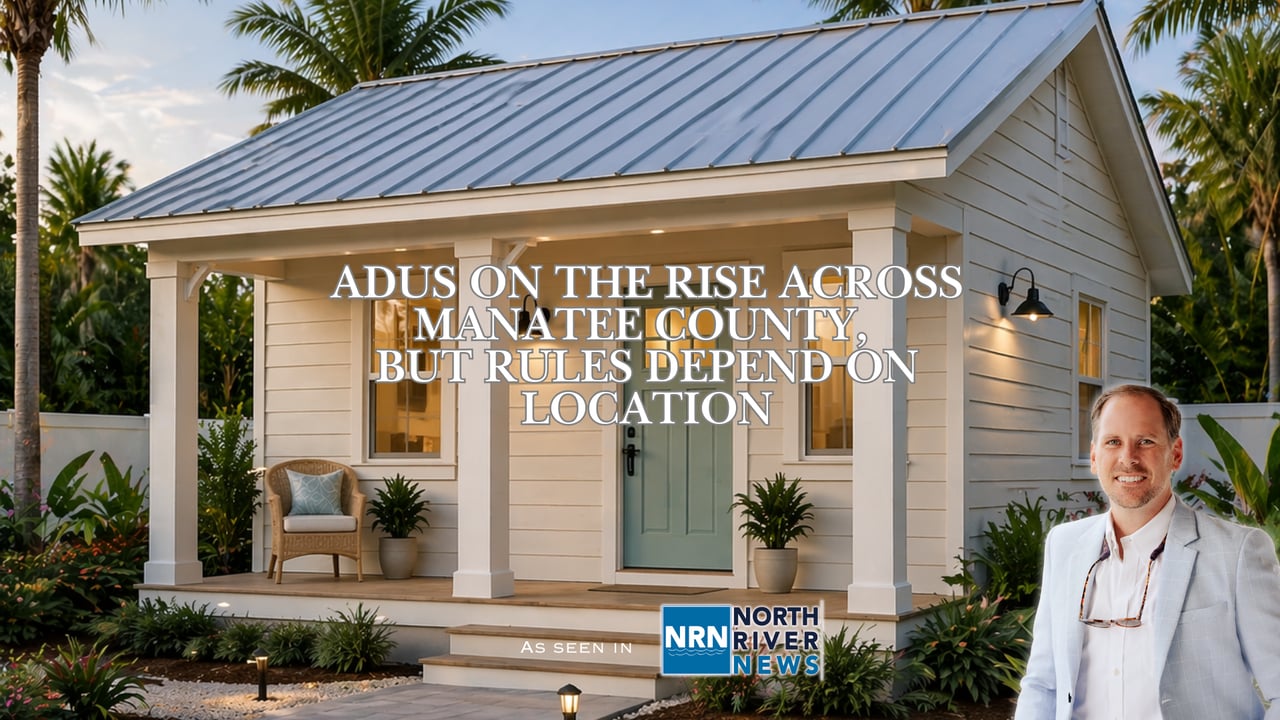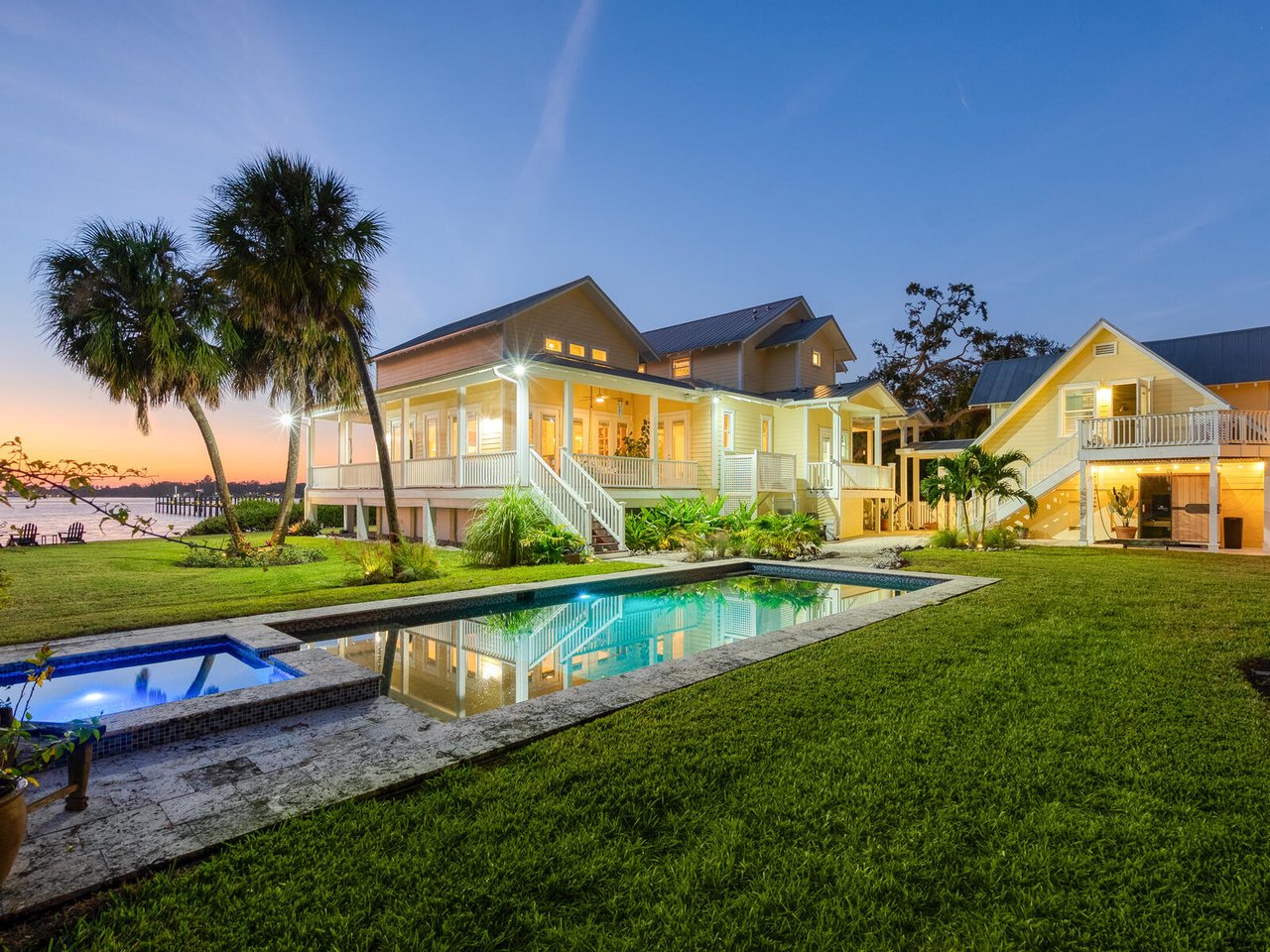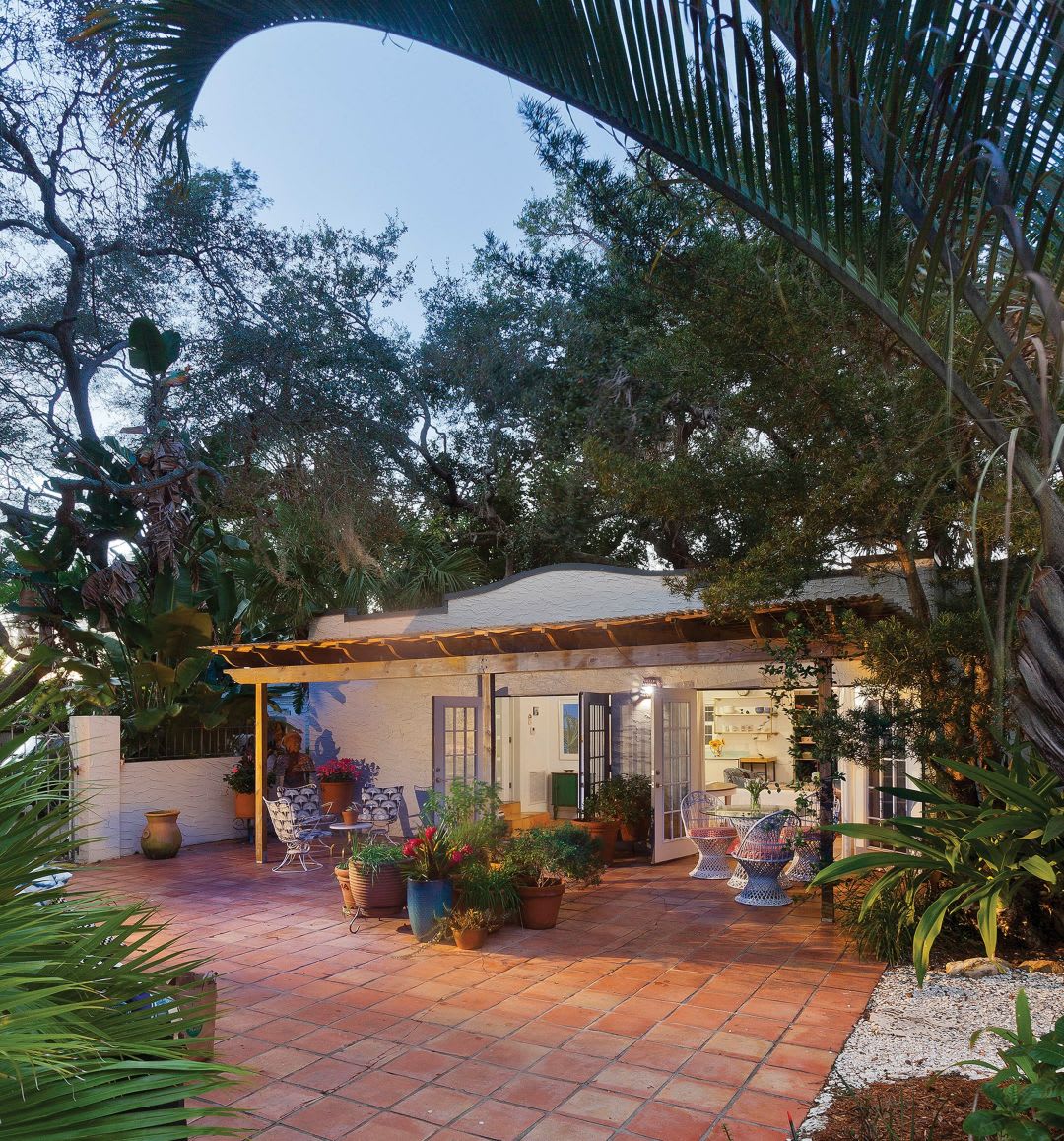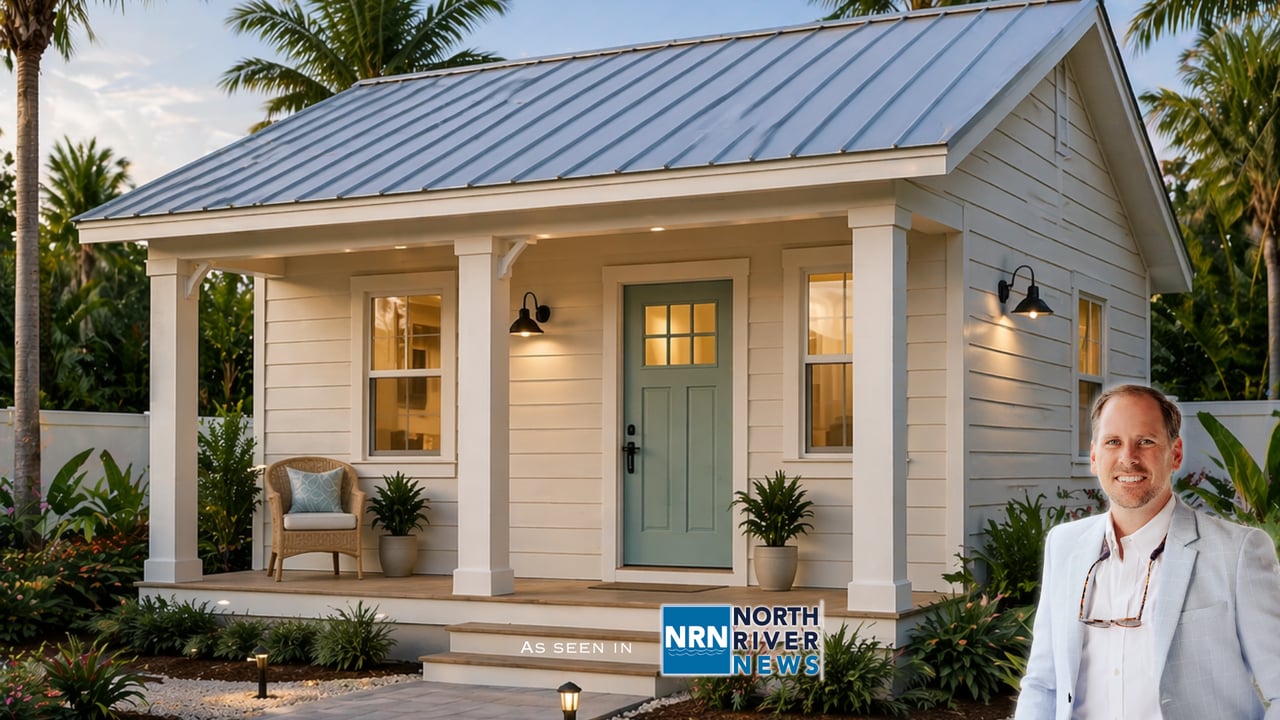
As more homeowners choose to stay put and adapt their homes to changing needs, Accessory Dwelling Units (ADUs) are gaining traction across the Manatee River region. From aging parents moving in, to adult children staying longer, to homeowners looking for rental income, the demand for flexible living space continues to grow.
At the same time, rising home prices and limited inventory are pushing more people to improve what they already own rather than move. ADUs have become one of the most talked-about solutions. However, what many don’t realize is that the rules vary significantly depending on whether a property is in unincorporated Manatee County, the City of Bradenton, or the City of Palmetto.
In unincorporated Manatee County, recent updates have created the most flexibility. ADUs can now be built up to 80 percent of the size of the primary home, a major shift from the previous 750 square foot cap. Larger parcels may also allow multiple units, with acreage properties offering the greatest opportunity for additional living space.
The City of Bradenton takes a more traditional approach. ADUs are allowed but are typically smaller, must meet stricter zoning and design standards, and often require additional on-site parking. The goal is to maintain neighborhood character while still allowing limited secondary housing.
The City of Palmetto operates differently. ADUs must be attached to the primary structure, are limited to a maximum height of 14 feet, and cannot include a full kitchen, meaning no stove or oven. This makes them function more like guest suites rather than fully independent living spaces. Zoning and setback requirements still apply, and flood zones play a major role. With roughly half of Palmetto located in flood-prone areas, FEMA’s substantial improvement rules can come into play. If improvements exceed 50 percent of the structure’s value, not including land, the property may need to be brought into compliance with current elevation standards, which can significantly impact cost and feasibility.
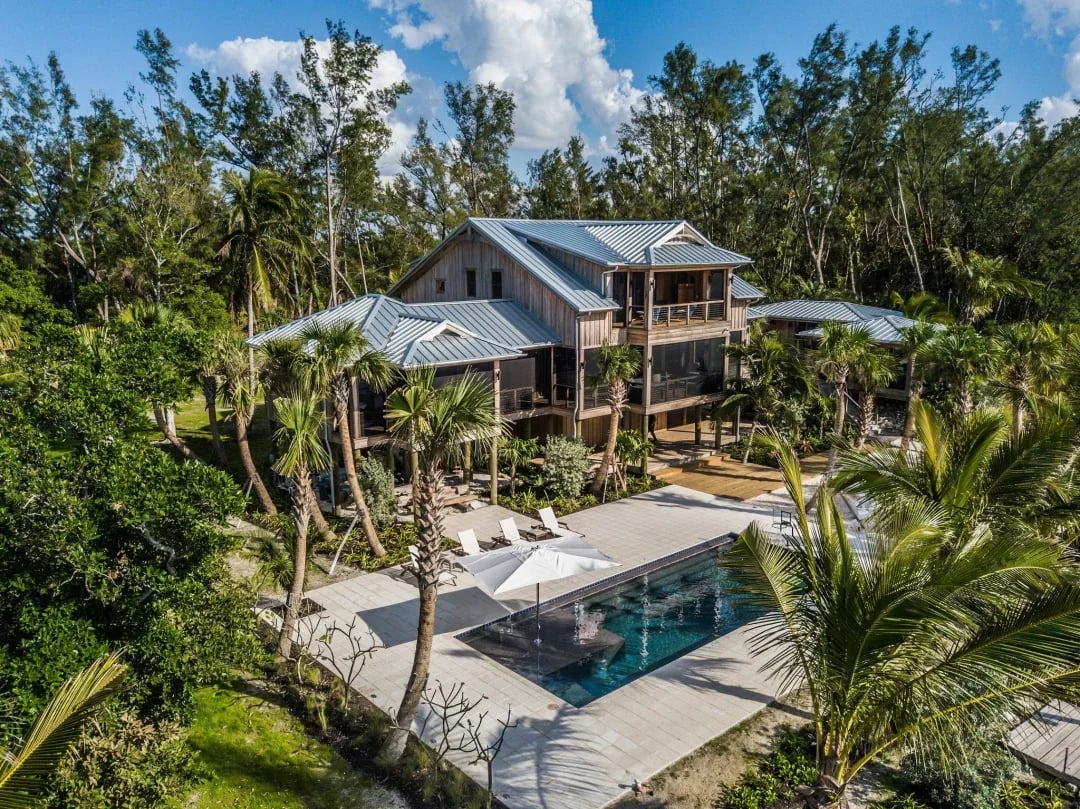
It is also important to understand the distinction between an ADU and a guest house. An ADU includes a full kitchen and is intended for full-time living, while a guest house does not and is designed for temporary use.
While interest in ADUs continues to rise, high construction costs remain a major factor. Between materials, labor, site work, and compliance with local codes, building an ADU can be a significant investment and may not be feasible for every property.
Before moving forward, property owners should verify all details with a licensed contractor and local officials. Zoning, flood zone designation, setbacks, and building requirements will ultimately determine what is possible on each specific property.
As ADUs continue to grow in popularity, understanding the differences between jurisdictions will be key for homeowners looking to make the most of their property.