There was a time when Parrish was the place people drove through on the way somewhere else. A few gas stations, orange groves, cattle pastures, and long stretches of road where you could go minutes without seeing another car.
That version of Parrish still exists in pieces. You can still find winding roads under massive oaks, old ranch entrances, farm stands, and stretches of land that feel untouched. But over the last decade, Parrish has quietly transformed into one of the biggest growth stories on Florida’s Gulf Coast.
What makes Parrish different is that it still feels newer than it actually is. It is not a traditional downtown-driven town like Palmetto or Bradenton. It is more of a collection of master-planned communities, schools, parks, and growing commercial corridors spread across North Manatee County.
For many buyers, Parrish hits the sweet spot between space, price, schools, and accessibility.
Parrish sits in northern Manatee County along the US-301 corridor, generally east of I-75 and north of the Manatee River. It has become a major growth corridor connecting residents to:
The opening of the Fort Hamer Bridge dramatically changed the area by improving east-west connectivity between Parrish and Lakewood Ranch.
For commuters, Parrish has become attractive because you can still get more land and newer homes compared to many coastal areas while staying within driving distance of major employment centers.
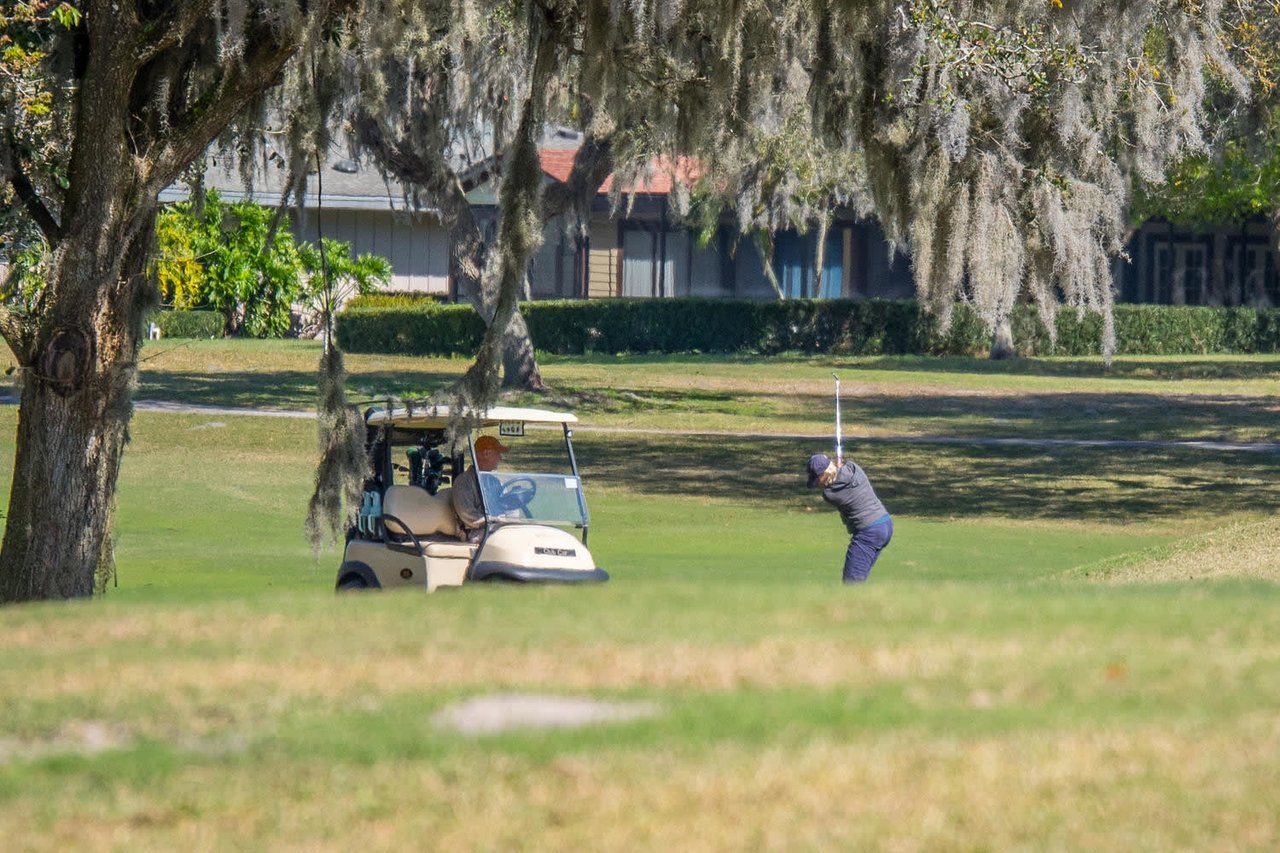
Parrish feels like suburban Florida mixed with rural Old Florida.
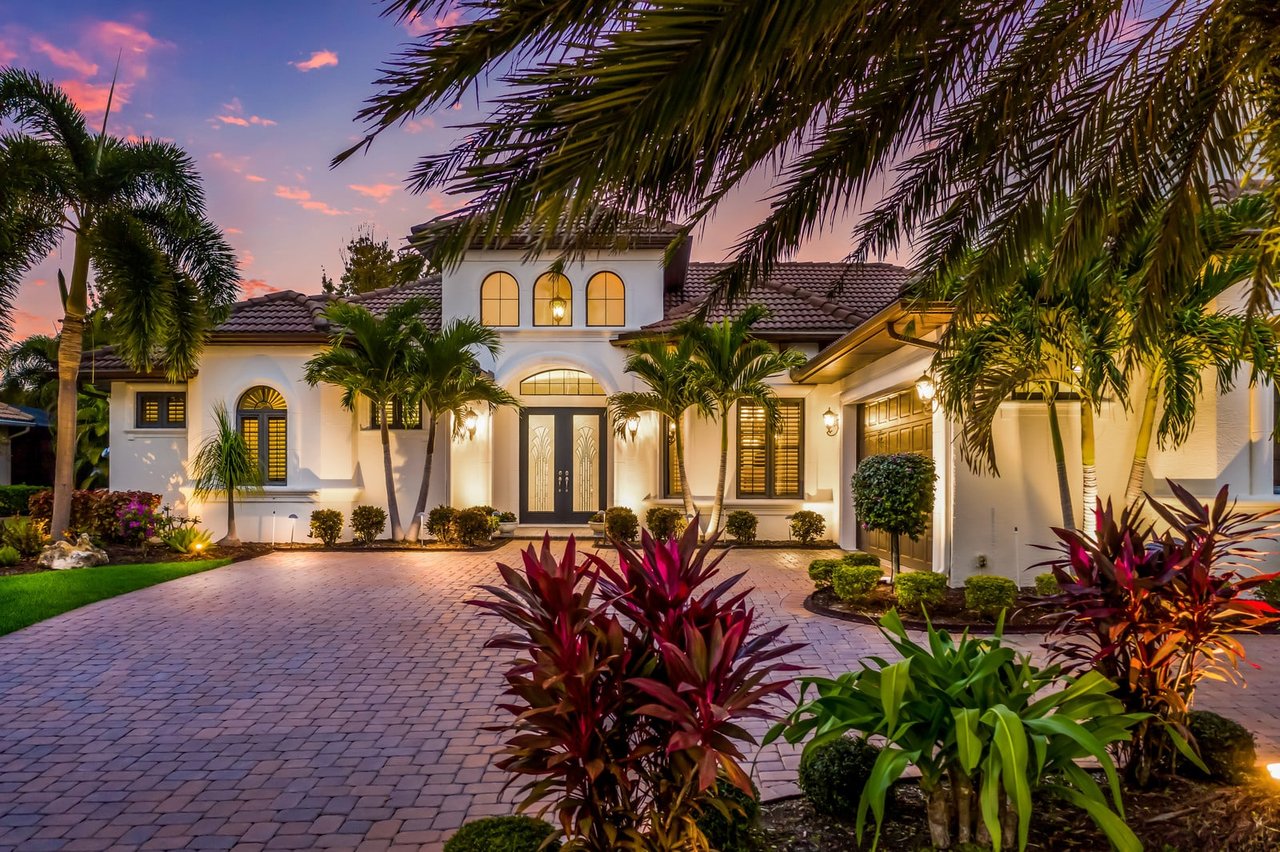
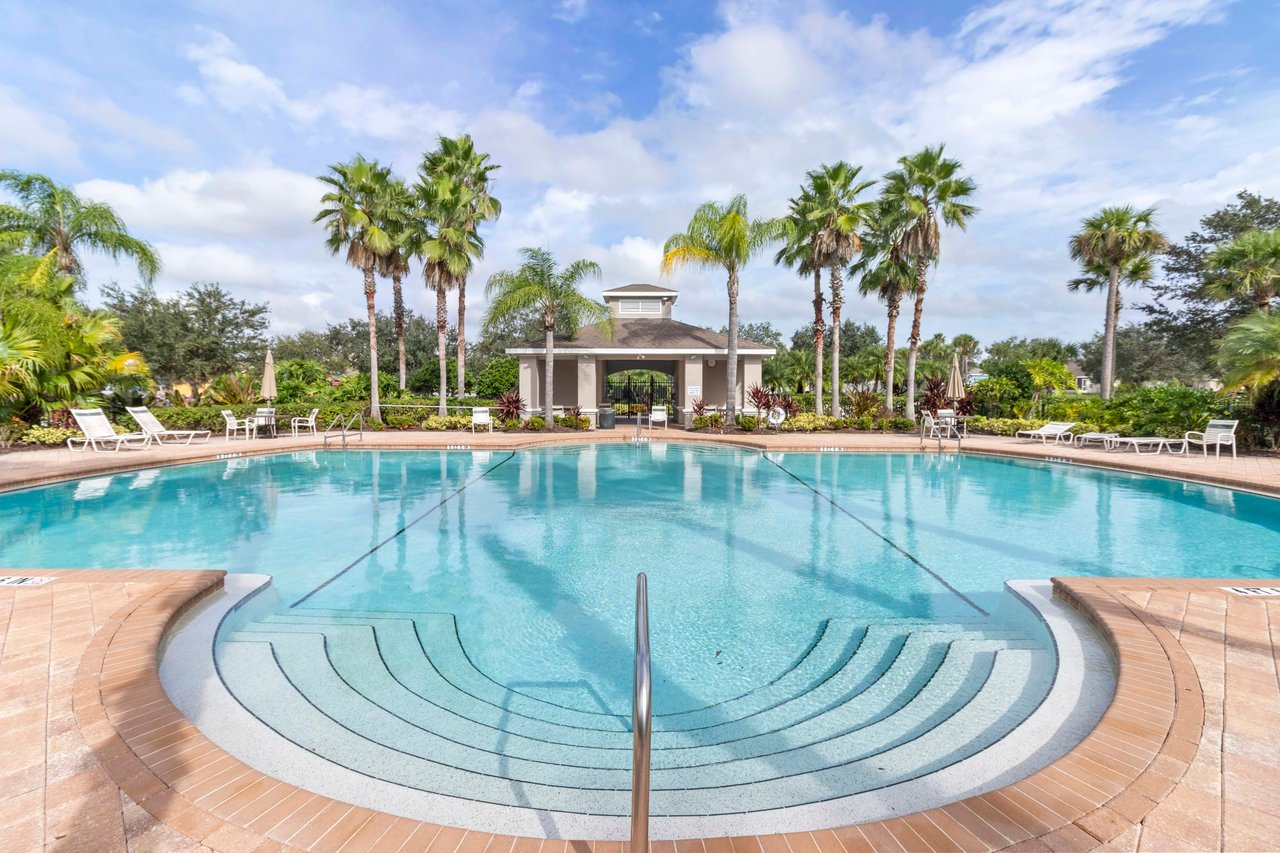
One minute you are driving past million-dollar homes in gated communities with pickleball courts and resort pools. Five minutes later you are behind a horse trailer on a two-lane road lined with moss-covered oaks.
That contrast is a huge part of the appeal.
Unlike some areas that feel overly manufactured from day one, Parrish still has a little grit and breathing room. There are newer developments everywhere, but there are also families who have lived on the same land for generations.
The pace is different here. People move to Parrish because they are tired of feeling boxed in.
Parrish stayed relatively quiet for decades as an agricultural area. That changed in the late 2000s and accelerated heavily after 2017.
Several things pushed the growth:
Today, Parrish is one of the most discussed growth corridors in the region.
Probably the most talked-about master-planned community in Parrish right now. Massive scale, trails, amenities, schools, future commercial development, and a long-term vision. This is the community many people point to when discussing the future identity of Parrish.
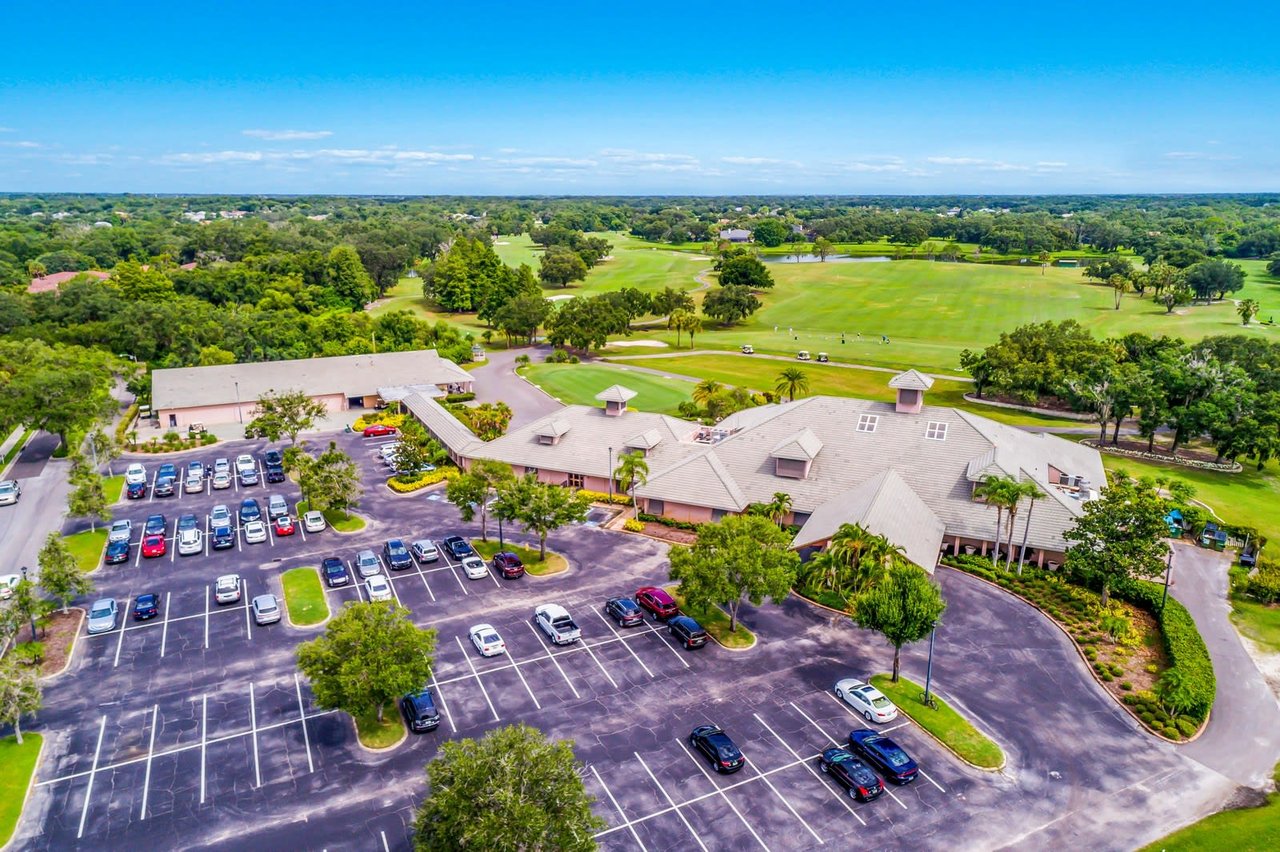
One of the original established golf and country club communities in the area. Mature trees, larger custom homes, golf course views, and a more traditional Florida country club feel. Still one of the best options for buyers wanting character and lot size instead of cookie-cutter neighborhoods.
Known for larger lots, preserve views, custom homes, and newer upscale construction. Twin Rivers tends to attract buyers who want a little more breathing room and less of a dense suburban feel.
A highly active family-oriented community with resort-style amenities and newer homes. Popular with buyers relocating from other states.
One of the major 55+ options in the area. Parrish has become increasingly attractive for active adult buyers wanting newer construction near the Gulf Coast without paying coastal prices.
School District of Manatee County has heavily expanded infrastructure in the area due to growth. Parrish Community High School has become one of the major anchors for local families and continues to grow with the area.
One thing buyers consistently mention is that Parrish feels family-oriented. Youth sports, golf carts in neighborhoods, playgrounds packed on weekends, and communities built around amenities all contribute to that feeling.
A lot of younger families moving here are looking for:
Parrish checks many of those boxes compared to coastal markets.
Yes, traffic has become a real issue.
Anyone telling you otherwise probably has not driven US-301 at 5 PM lately.
Growth has outpaced infrastructure in several areas, especially around schools and major intersections. Residents frequently discuss road expansion needs, commercial planning, and future infrastructure investments.
That said, most buyers moving from larger metro areas still consider Parrish traffic manageable compared to what they left behind.
For years, one of the biggest complaints about Parrish was the lack of restaurants and shopping. That is changing quickly.
Retail and commercial development are now racing to catch up with rooftops. Grocery stores, restaurants, medical offices, coffee shops, and service businesses continue expanding throughout the area.
But Parrish is still more residential than entertainment-driven. If you want nightlife and walkable downtown energy, buyers often still gravitate toward:
Parrish is more about home life, neighborhood amenities, and convenience.
Parrish has become one of the most competitive areas in Manatee County because it appeals to several different buyer types at once:
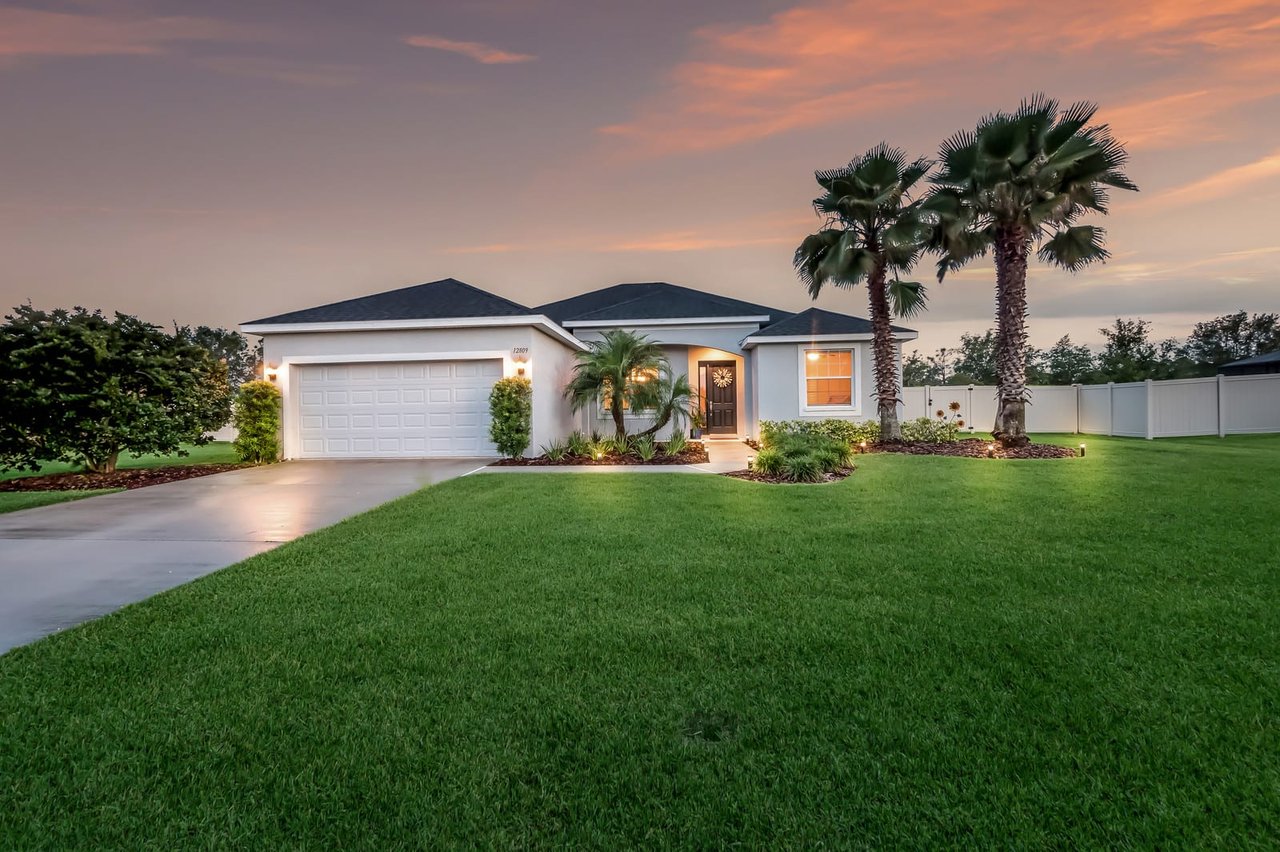
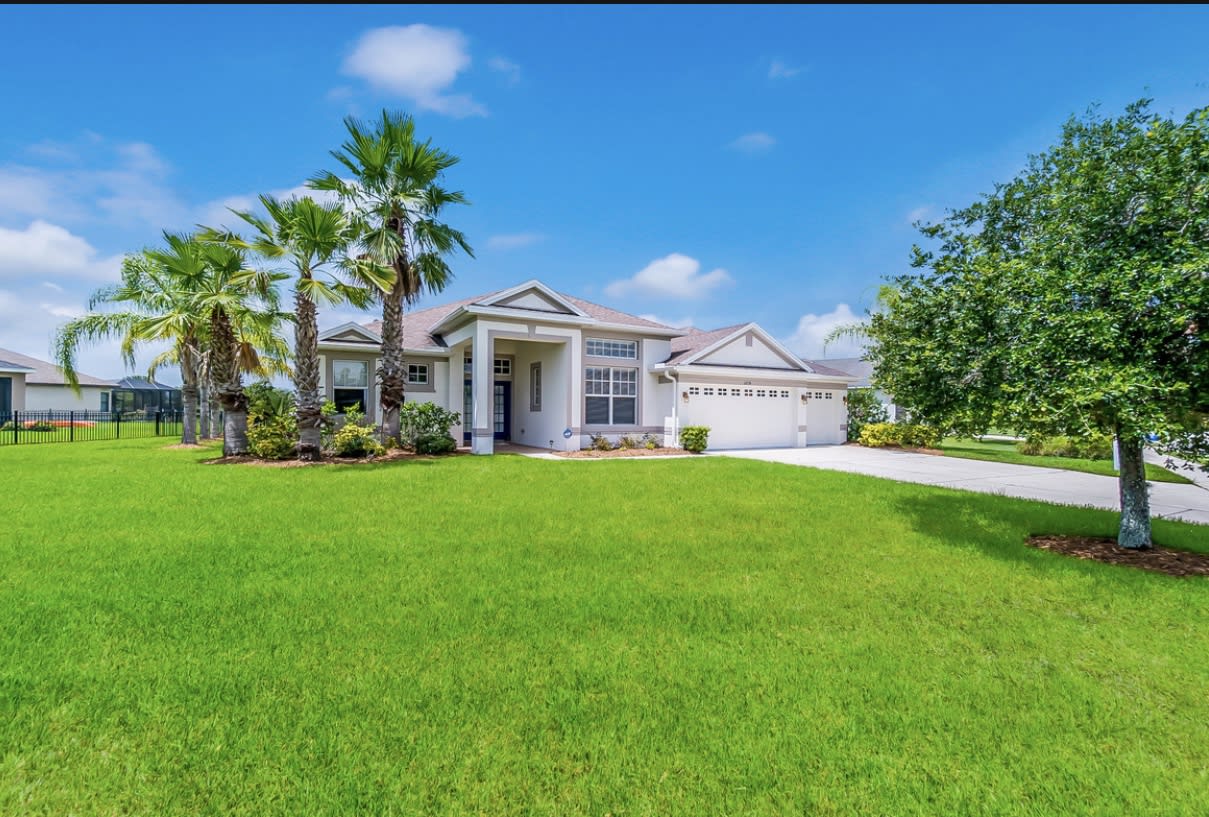
The housing stock is also incredibly diverse:
One major shift over the last several years is that Parrish is no longer viewed as “far out.” It is now considered central to the future growth of North Manatee County.
As someone born and raised in Manatee County, the interesting thing about Parrish is watching it evolve from farmland into one of the defining suburban markets on Florida’s Gulf Coast.
There are still people here who remember when US-301 was mostly ranch land and tomato fields. Now there are nationally recognized builders, massive developments, and thousands of new residents arriving every year.
But Parrish still has opportunities to shape its identity.
The challenge moving forward will be preserving enough of the Old Florida character while accommodating growth that is clearly not slowing down anytime soon.
Parrish tends to work best for buyers who want:
It may not be ideal for buyers wanting:
But for many families and relocating buyers, Parrish represents the next chapter of Gulf Coast Florida living.
And honestly, a lot of people moving here feel like they found the area just before everyone else did.